
COMPLYING DEVELOPMENT
Faster approvals with well-planned, compliant design
Streamlined planning & Construction approvals
Approvals can be a time consuming and costly part of a building project… but in New South Wales, some residential projects can bypass the standard development application (DA) process, saving you significant time and money. These projects fall under what’s known as ‘complying development’ (often referred to as ‘CDC’).
At Ironbark Architecture we understand complying development – not just the technical criteria, but how and when it can be used to your advantage. We can help you identify whether your project qualifies for the fast-tracked approval pathway and how to design intelligently within its parameters.
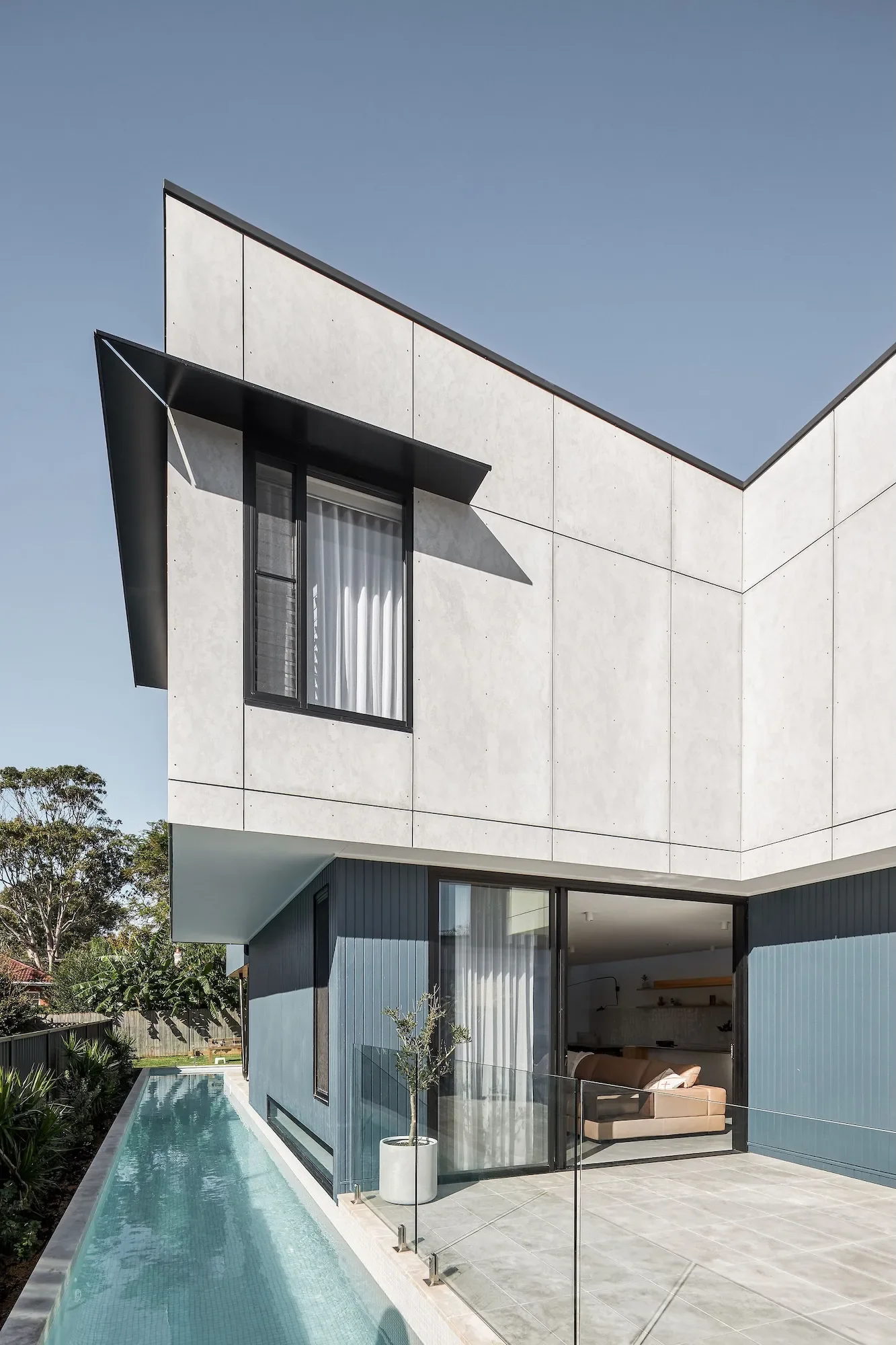
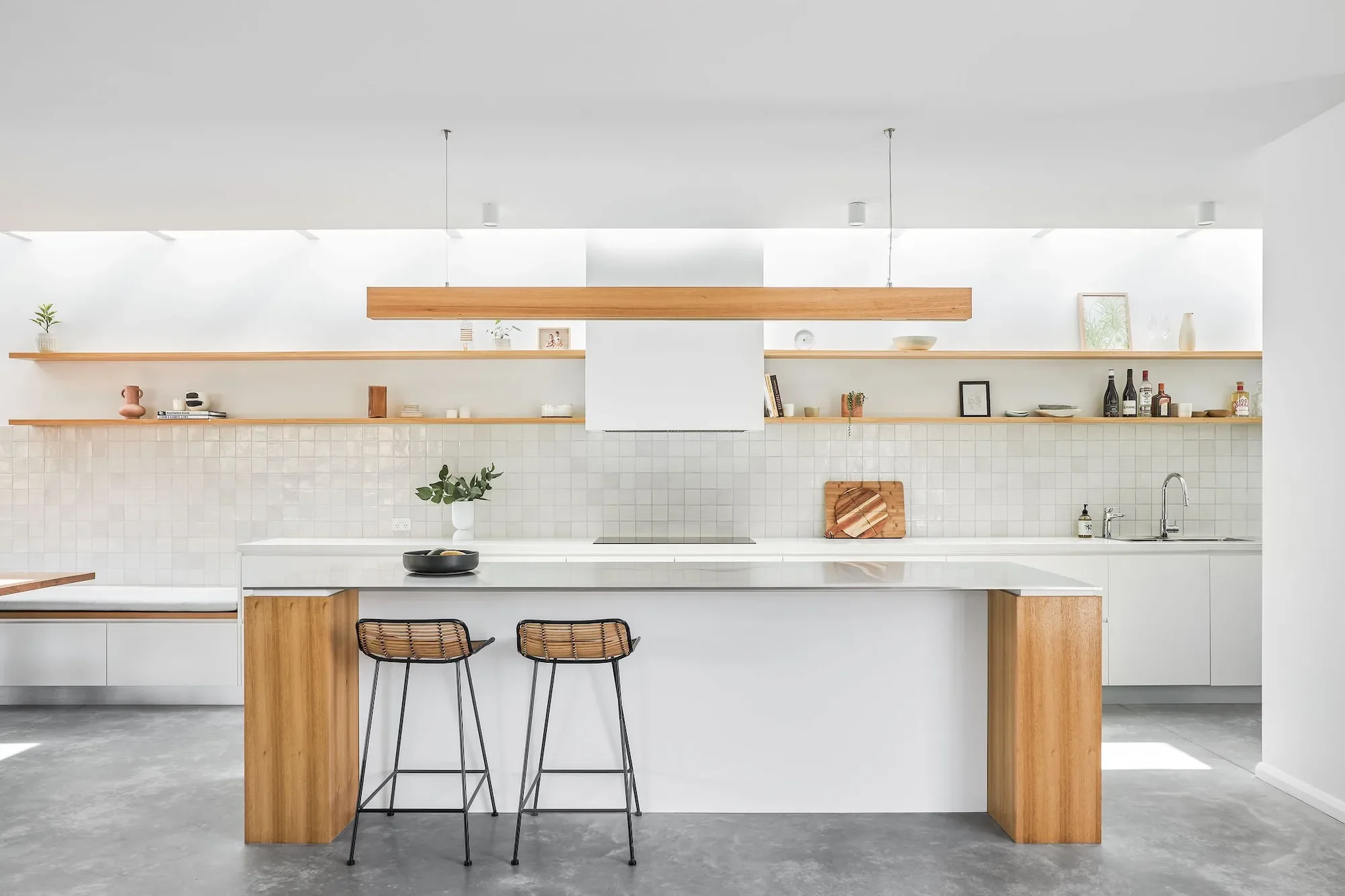
What is complying development?
Complying development is a streamlined approval pathway for straightforward building projects that meet specific planning and design standards set out in the State Environmental Planning Policy (Exempt and Complying Development Codes) 2008.
It was created to allow low-impact developments to proceed with fewer compliance hurdles. Unlike a development application, which involves a merit-based assessment (meaning you can sometimes justify the reasons for a development falling outside the policy and still get approval) CDC is a strictly black-and-white process. Either it complies or it does’nt. There’s no wiggle room.
There are numerous requirements in order to be eligible for CDC and a single non-compliant element may rule your project out completely or require a change in the design so that it does fall within the requirements.
Rather than going through a lengthy DA with council, eligible projects can apply to receive a Complying Development Certificate (CDC) from a private certifier, this can take as little as 20 days.
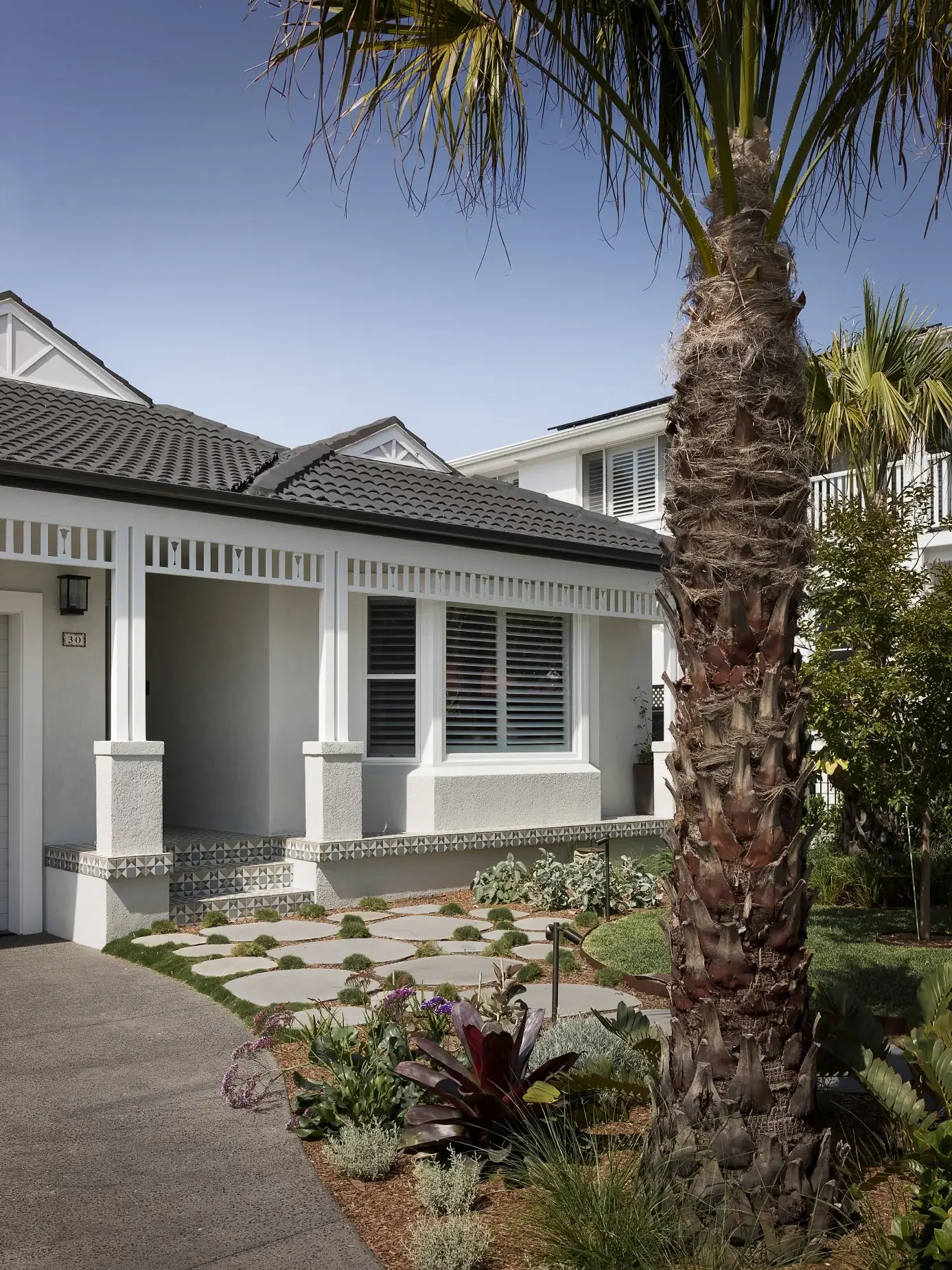
Types of projects that can be done as CDC:
New homes, both single and two-storey
Home extensions and renovations
Granny flats (secondary dwellings)
Garages, studios and pools
If your design meets the criteria under the Code, approval can be quick and straightforward – but every site is unique. That’s where thoughtful design and architectural expertise make all the difference.
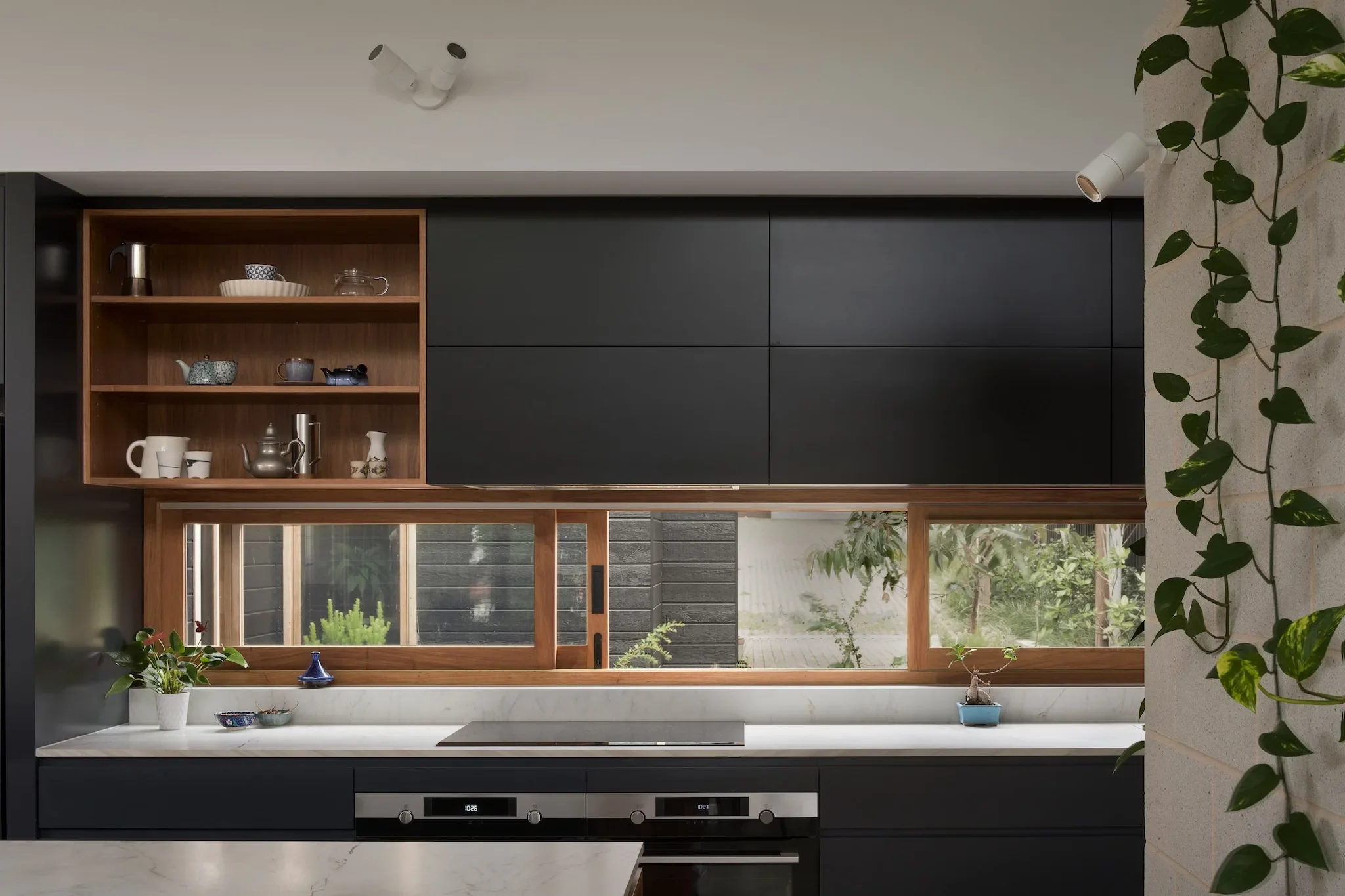
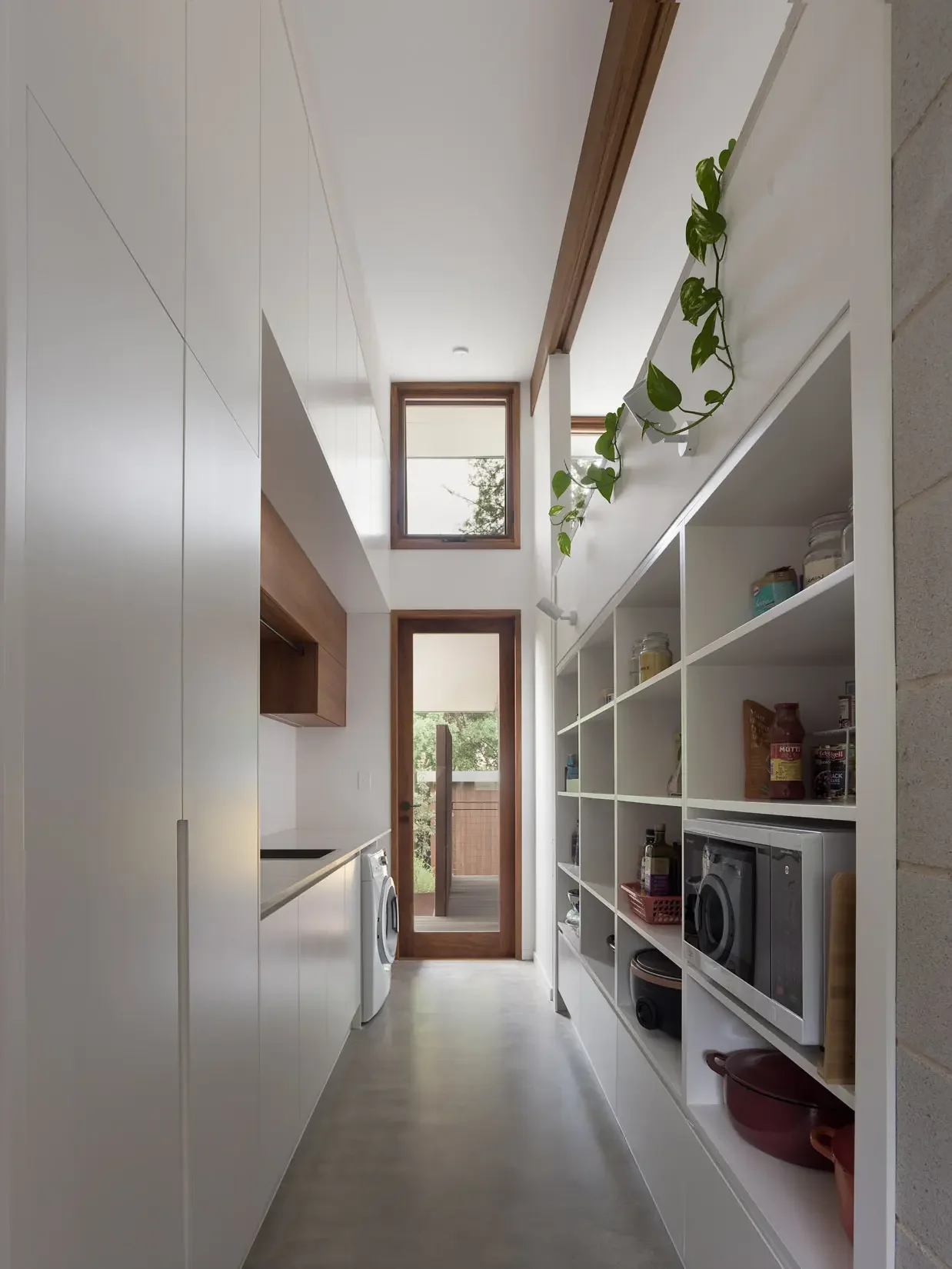
How we help
At Ironbark Architecture, we combine design excellence with a clear understanding of the planning framework. We’ll start by assessing your site and project against the relevant requirements to determine whether complying development is possible.
If it is, we can help manage the process from concept to certificate. Rather than going through a lengthy DA with council, eligible projects can apply to receive a Complying Development Certificate (CDC) from a private certifier, this can take as little as 20 days.
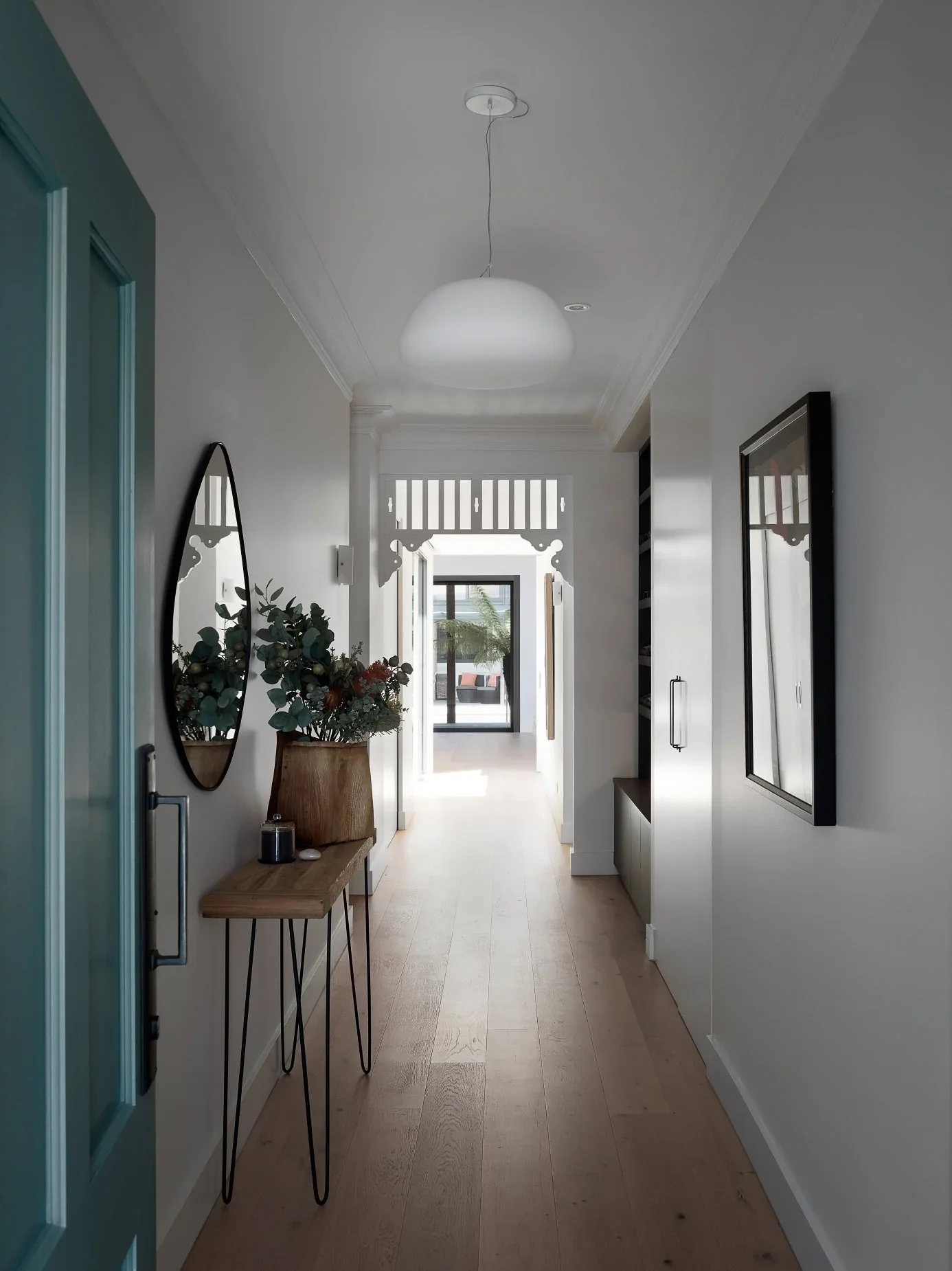
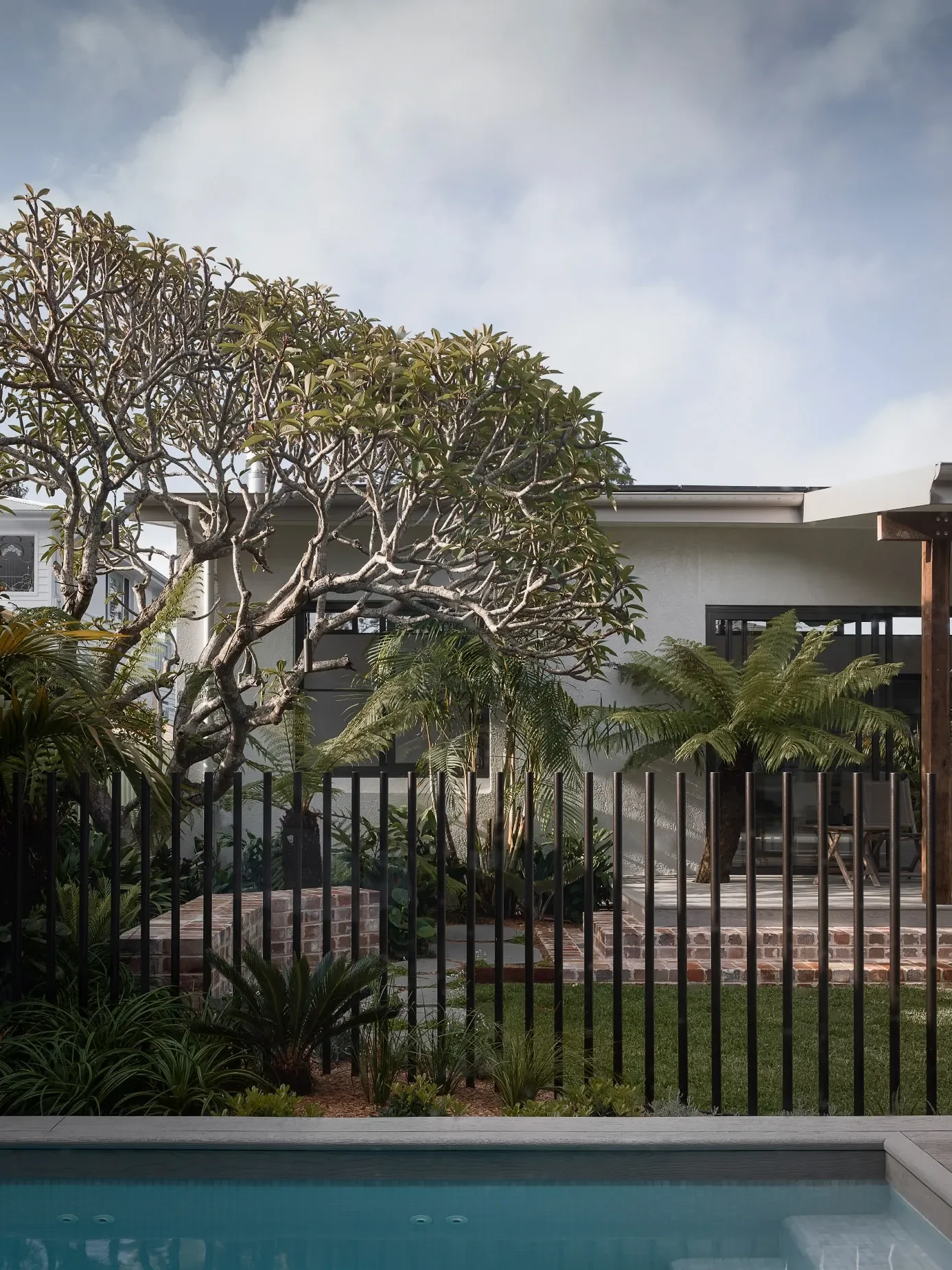
Our work includes:
Review of zoning requirements and other possible land-based planning controls that may affect elegibility for CDC.
Checking key CDC development controls, such as setbacks, landscaping and floor area requirements to check for anything that may rule out CDC.
Designing within the requirements of the Code while maximising aesthetics, light, flow and function.
Preparing a report outlining compliance with CDC requirements for submission to a private certifier along with the necessary plans and consultant documentation.
Liaising with private certifiers and lodgement of the application via the NSW Planning Portal.
Receiving the approval documents and explaining the steps required before construction can commence (insurance, advice letter to neighbours, mandatory inspections during construction, etc).
The result is a design that is considered, contemporary and crafted to fit beautifully into your setting without resulting in costly or stressful approval delays.
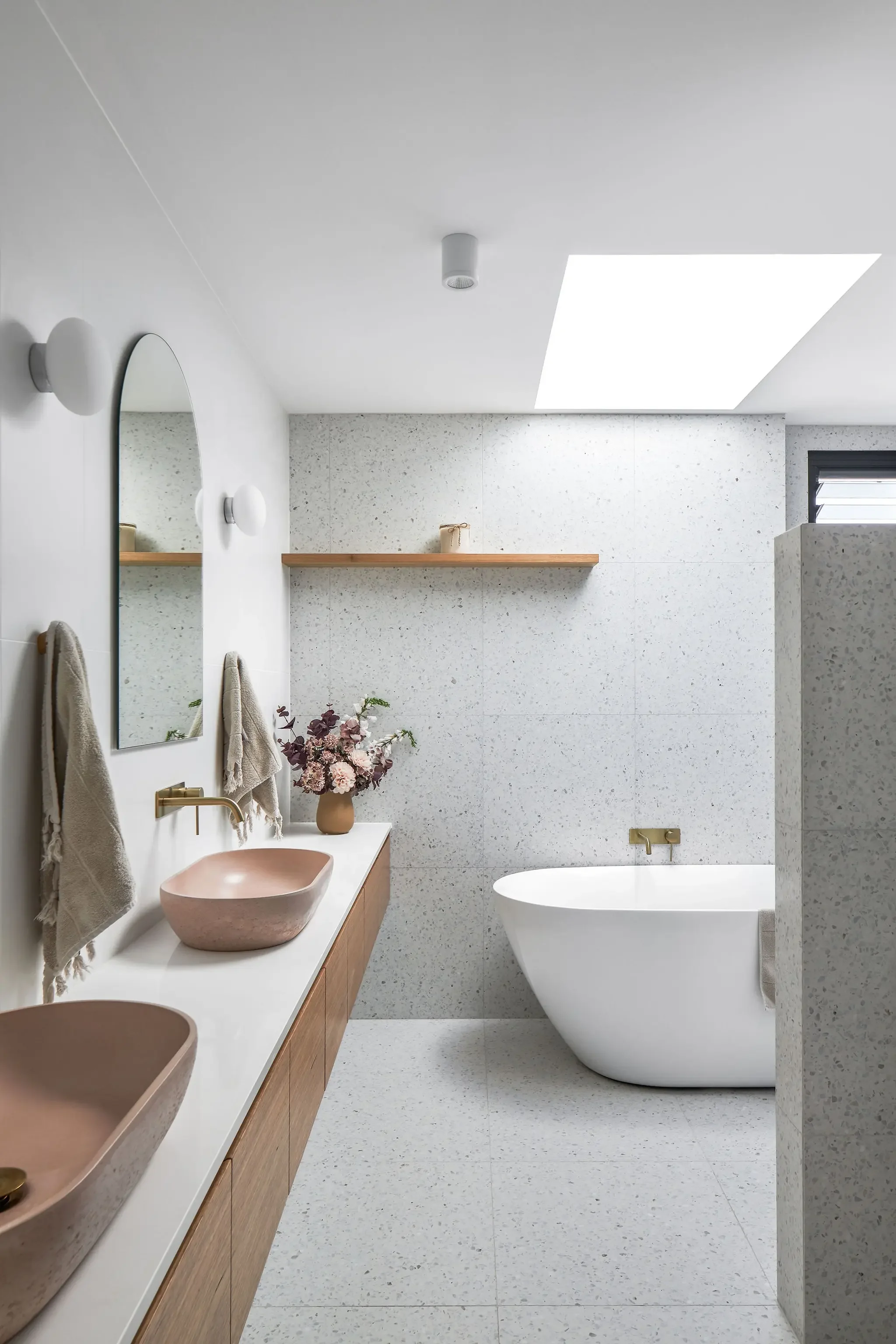
Benefits of utilising complying development
-
The streamlined process means minimal involvement with council
-
Avoid the significant fees, reports and potential redesigns required under a DA process
-
A smoother path to construction and fewer surprises along the way
-
Transparent standards and measurable outcomes
Importantly, complying development doesn’t mean compromising on design. It simply means we can help move your home from idea to construction faster, with full confidence.
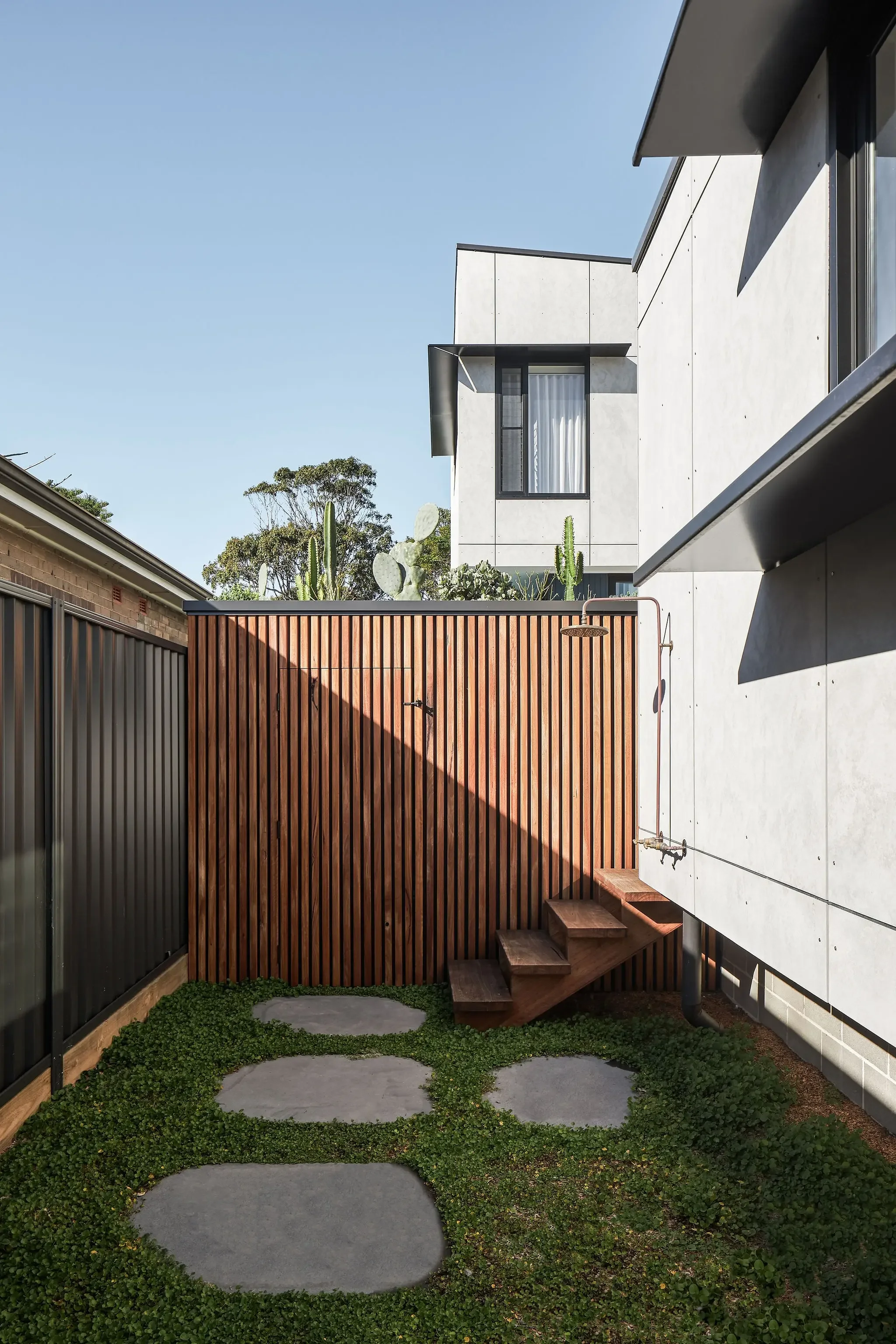
Our Complying Development projects
A selection of projects delivered through the Complying Development pathway.
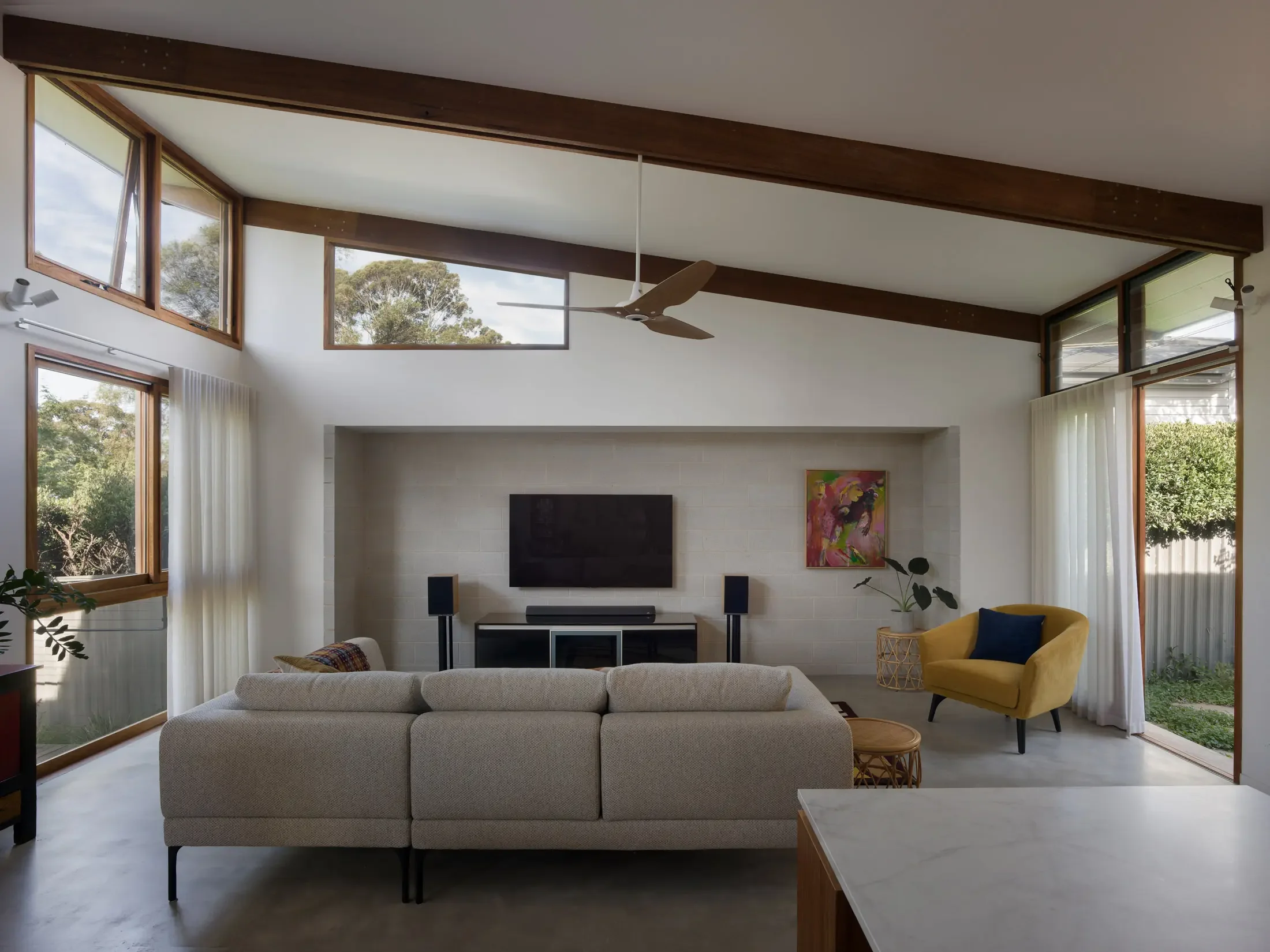
Beela House
A new home for a downsizing couple that cultivates comfort and a sense of sanctuary with an emphasis on connection with the outdoors.
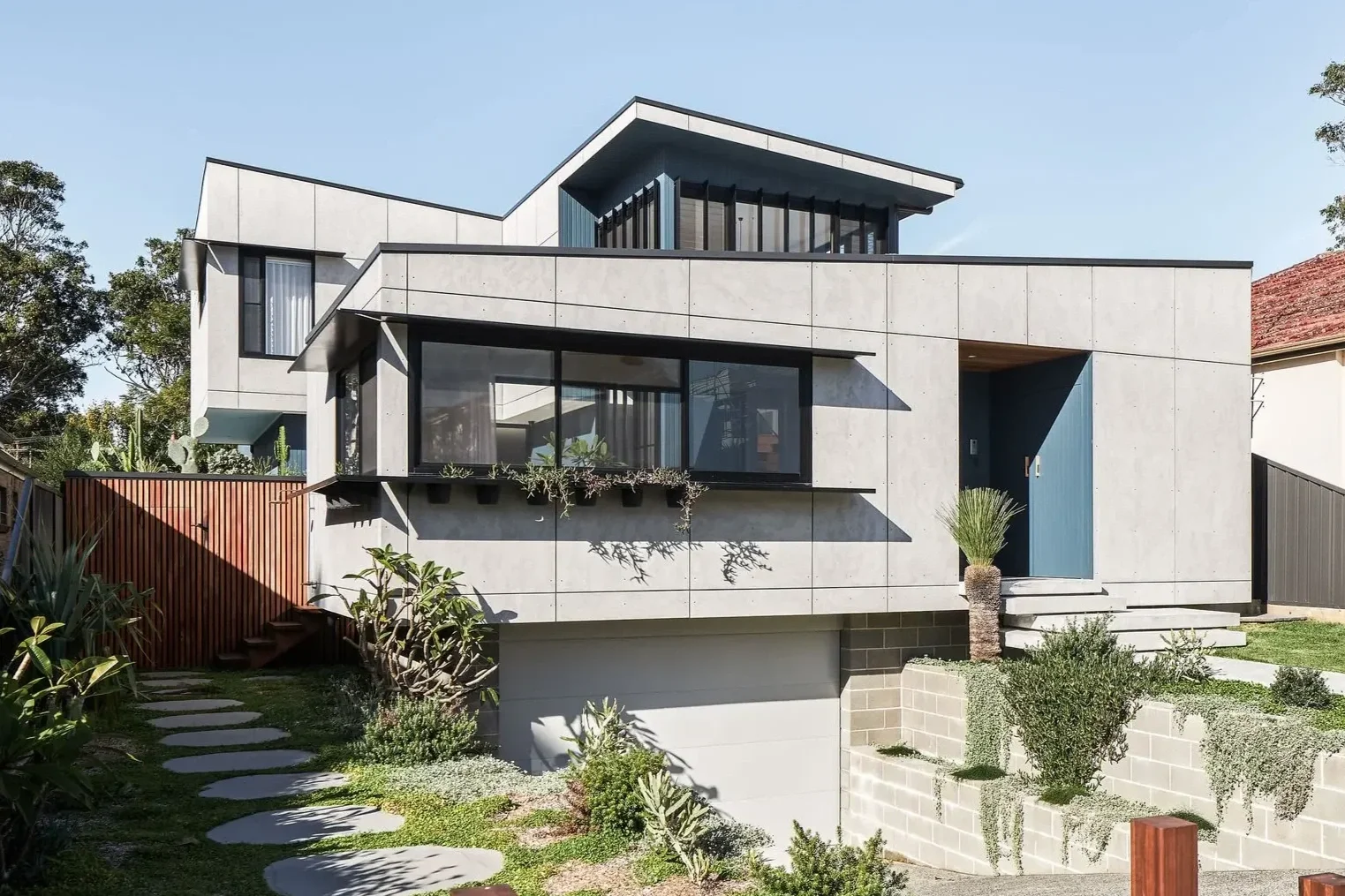
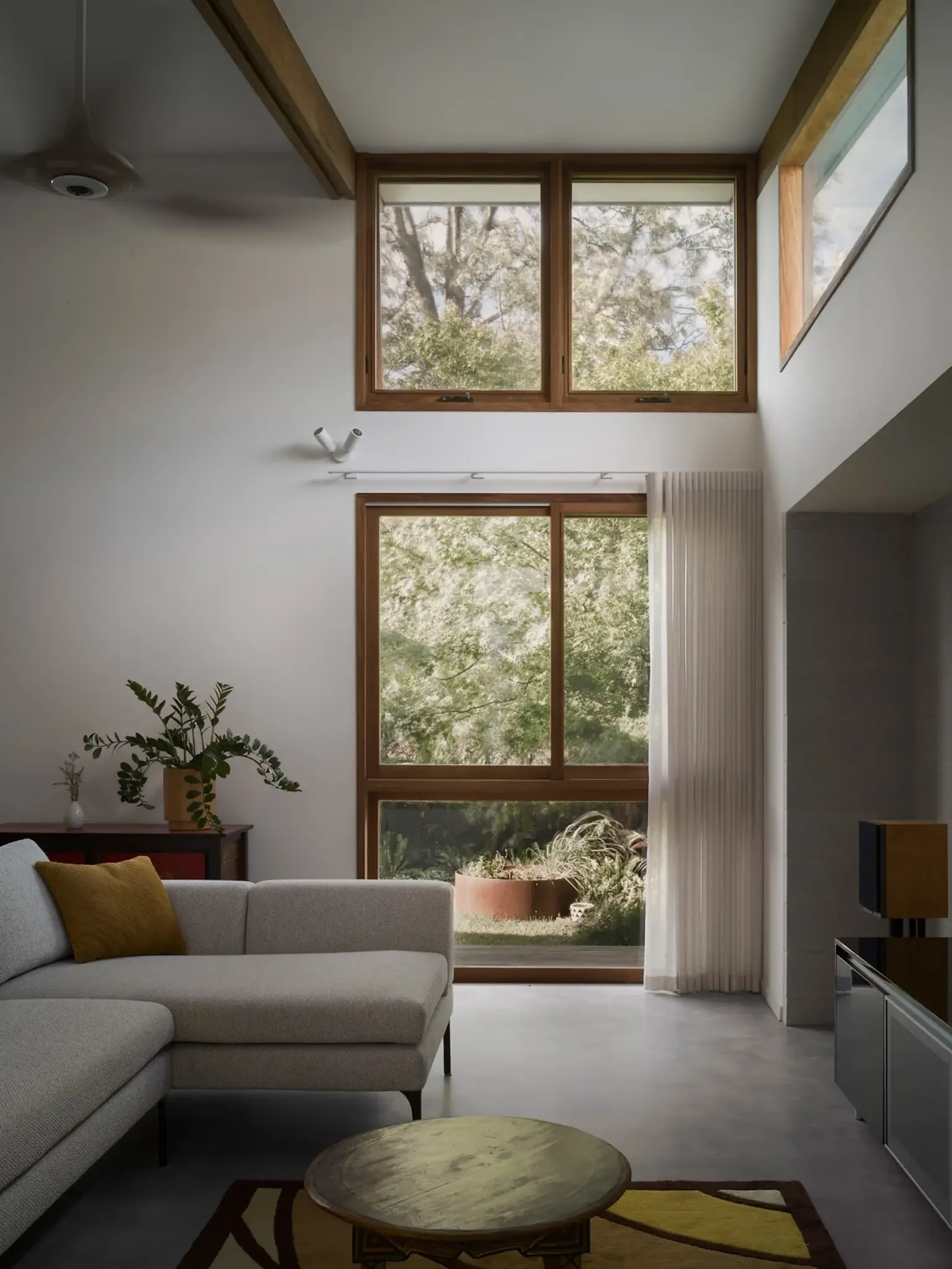
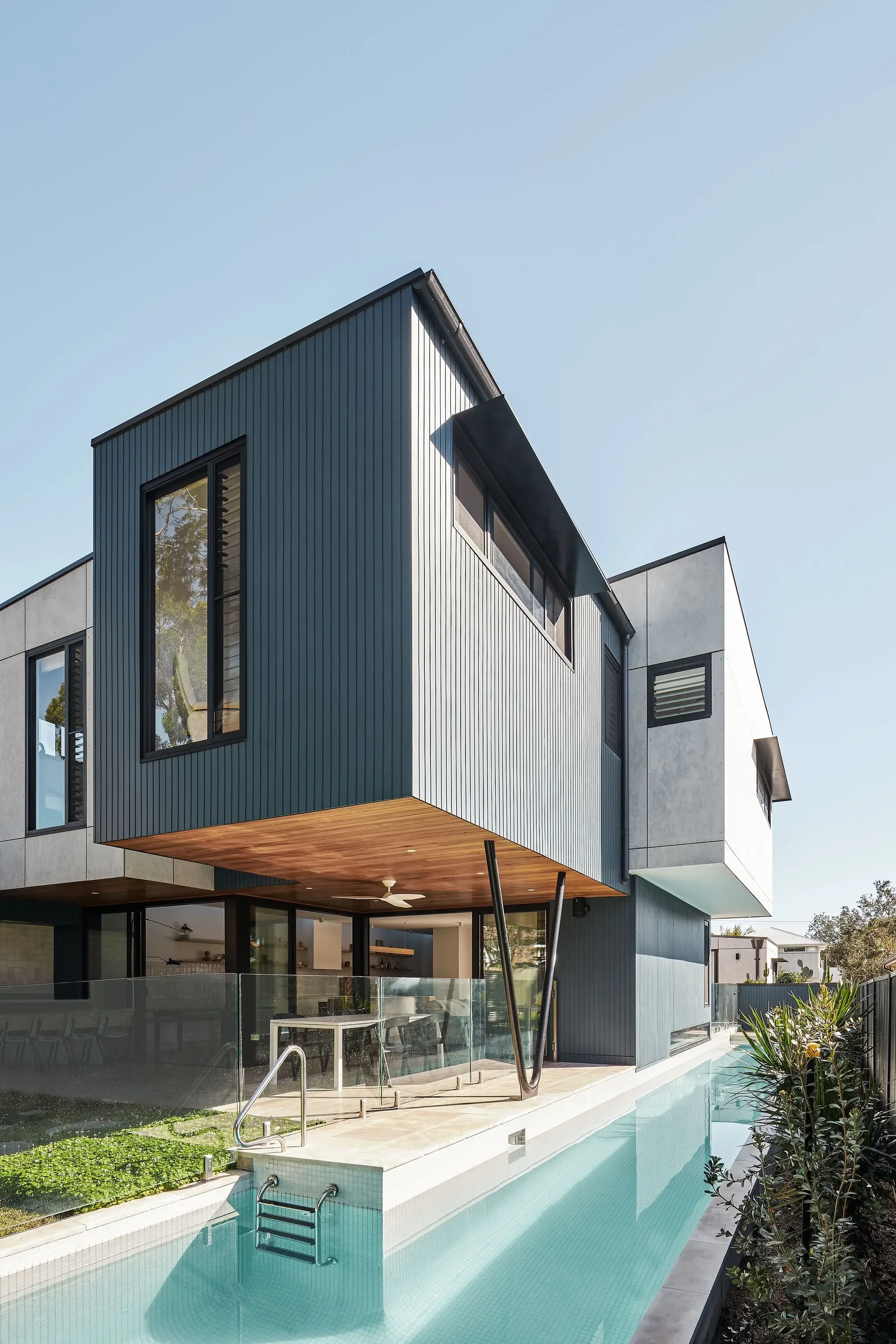
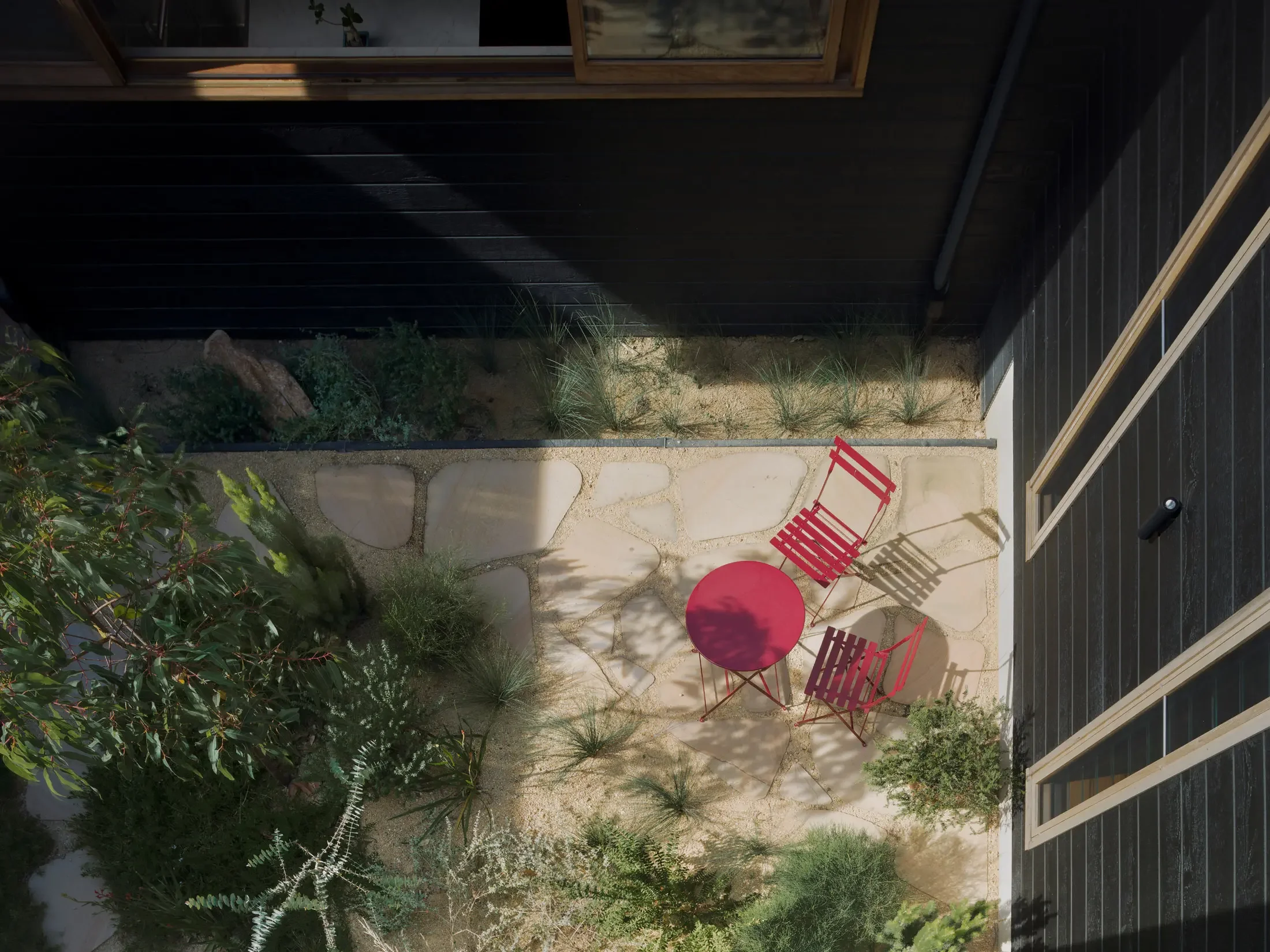
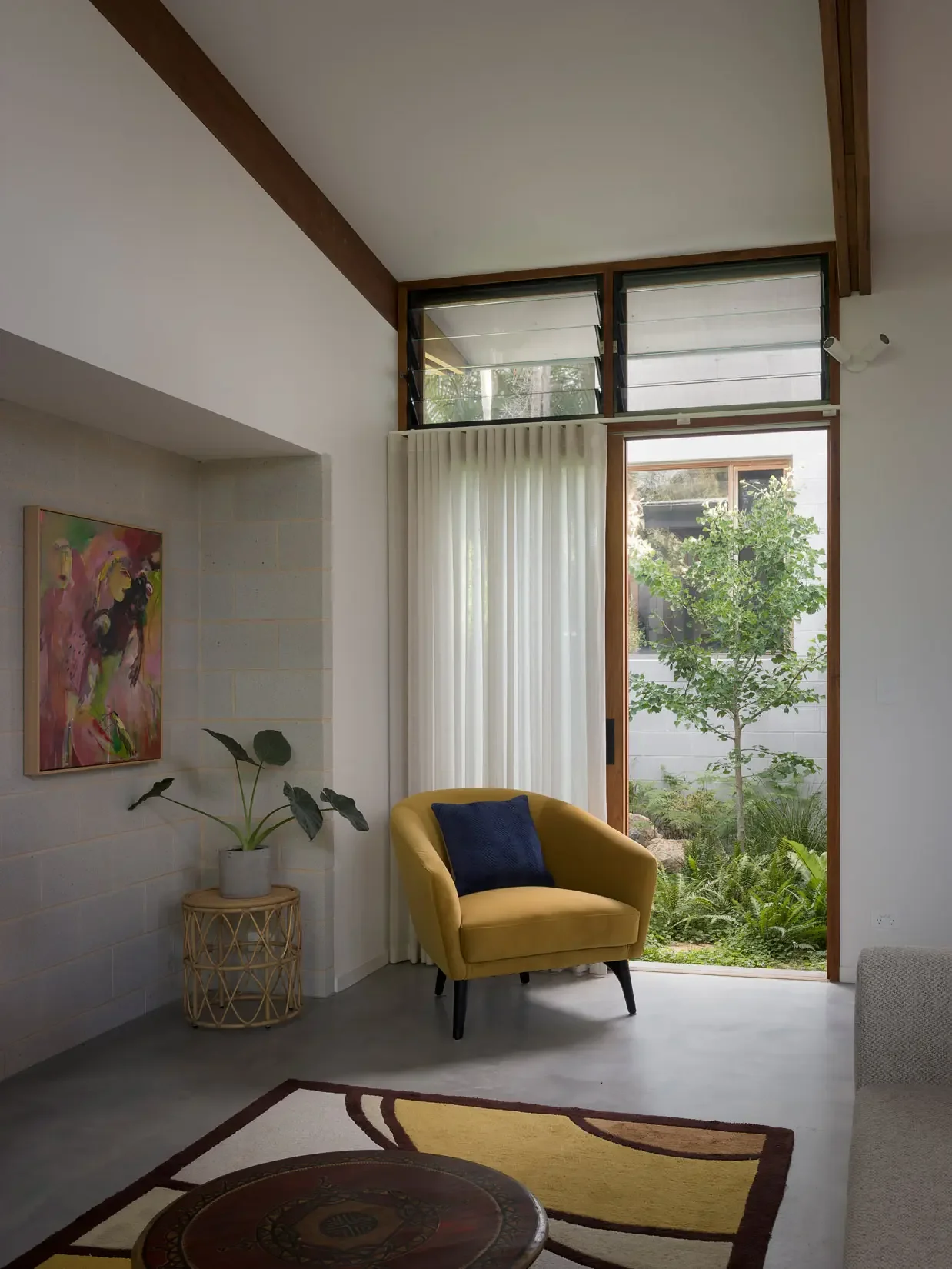
A prime example of passive design and bringing the outside in, Beela House is a knock down rebuild that performs exceptionally well without air conditioning, provides its owners countless sunlit spaces to enjoy - indoors and out (even on the Southern Side of the property) - and celebrates the juxtaposition of raw materials like concrete flooring and blockwork with the warmth of timber and the softness of the gardens.
The home was delivered through a complying development approval, allowing the design to move efficiently from concept to construction while maintaining a strong focus on comfort, materiality and connection to the landscape.
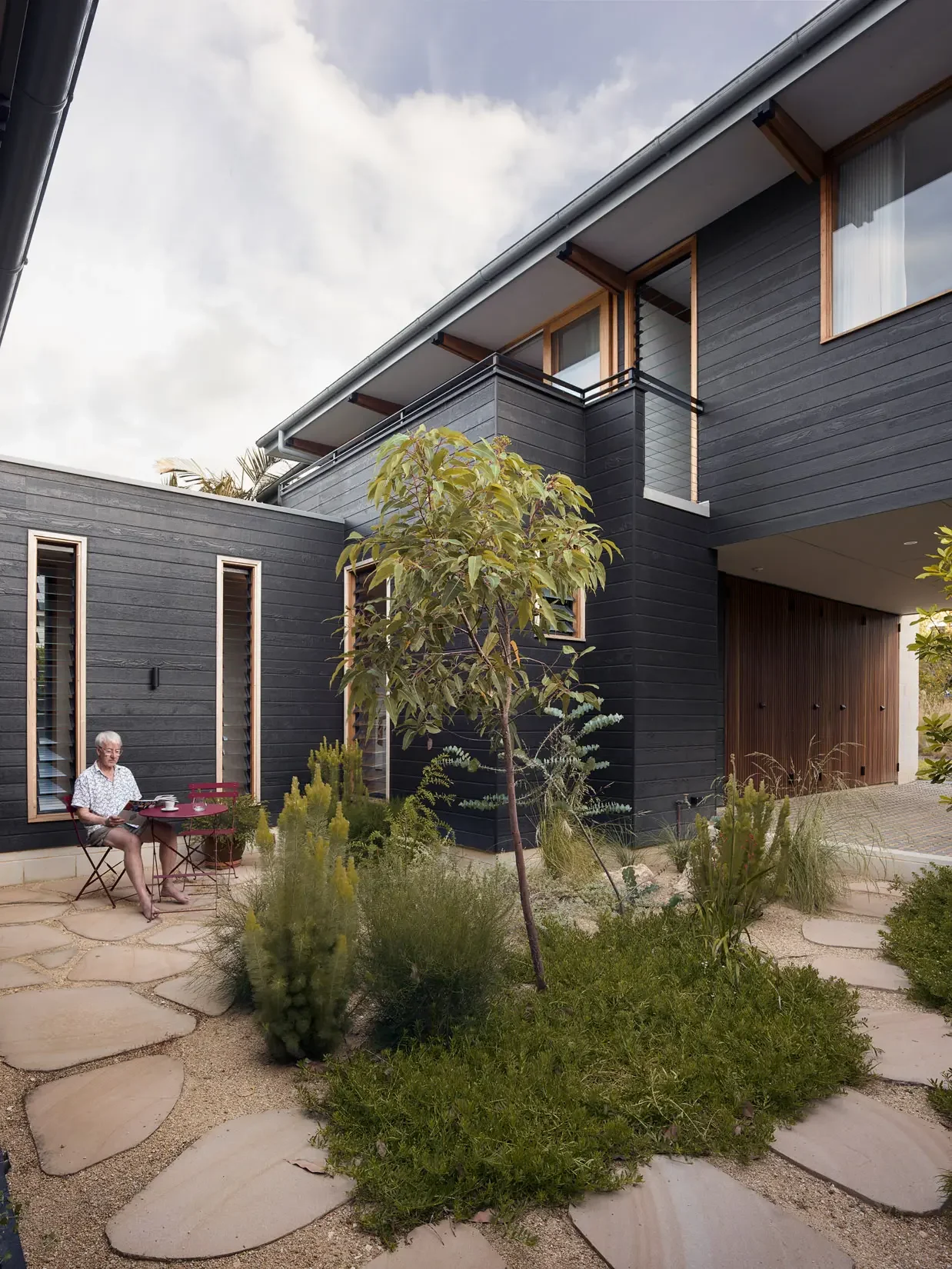
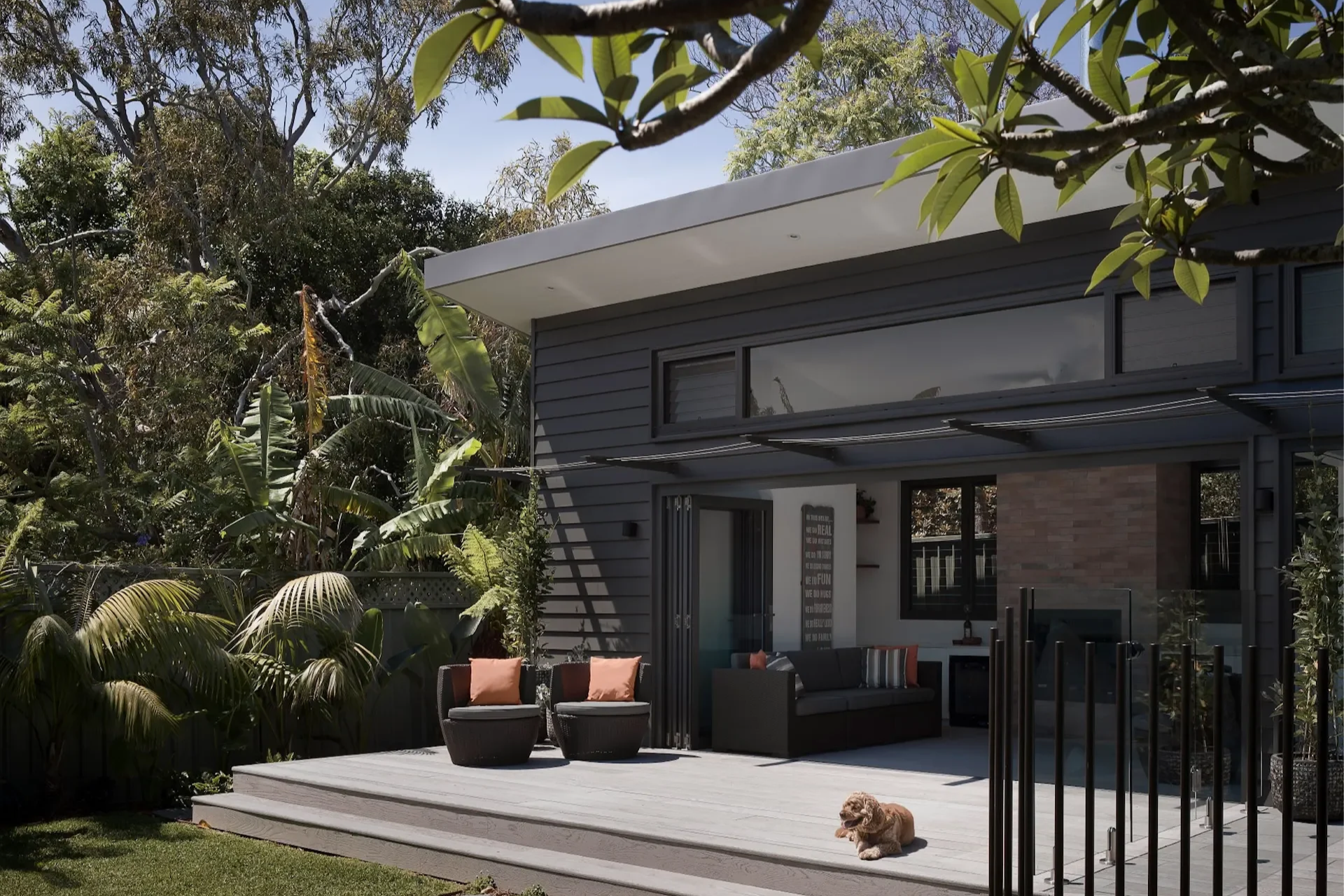
Nelly
A courtyard-led renovation connecting old and new
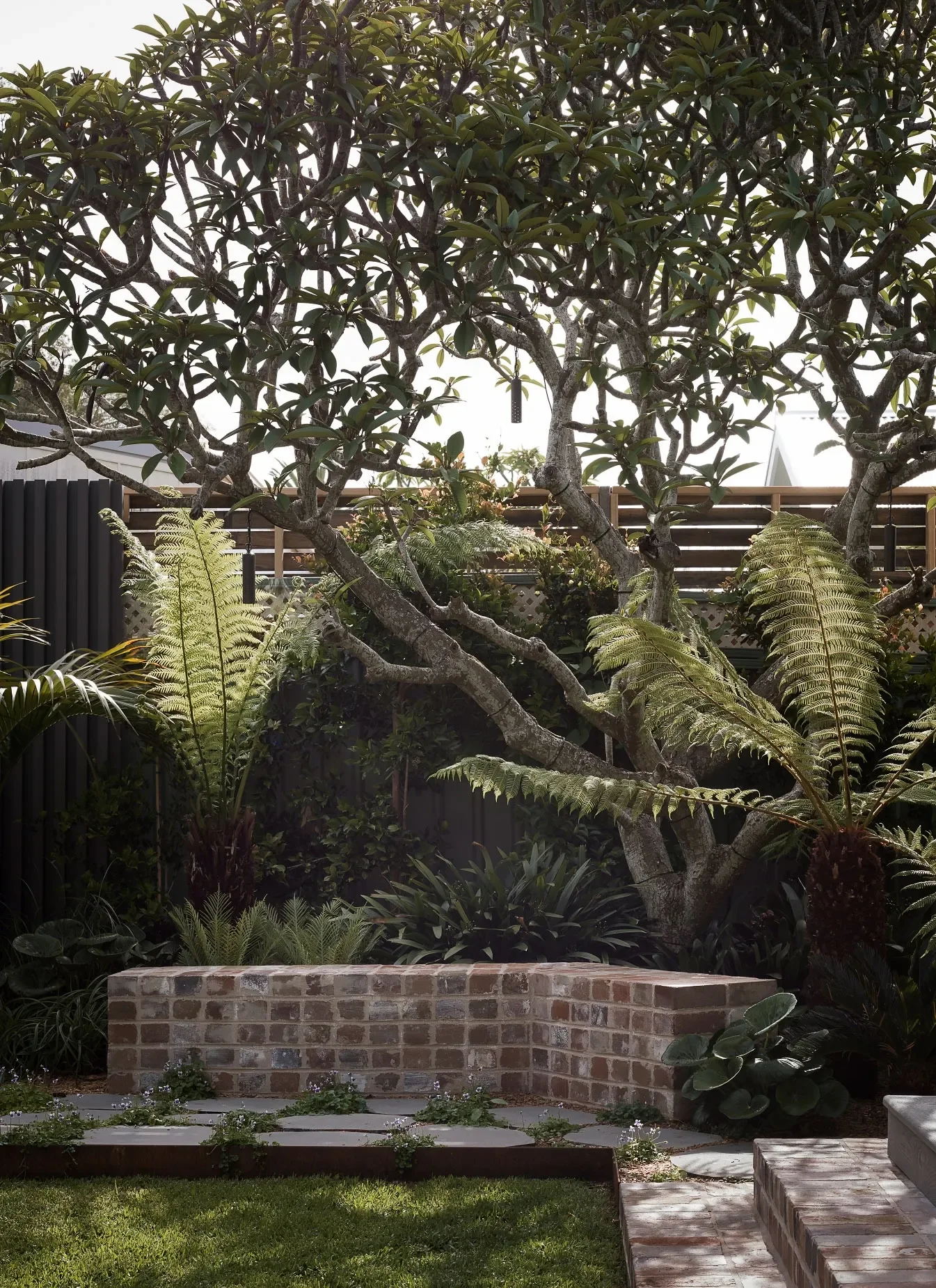
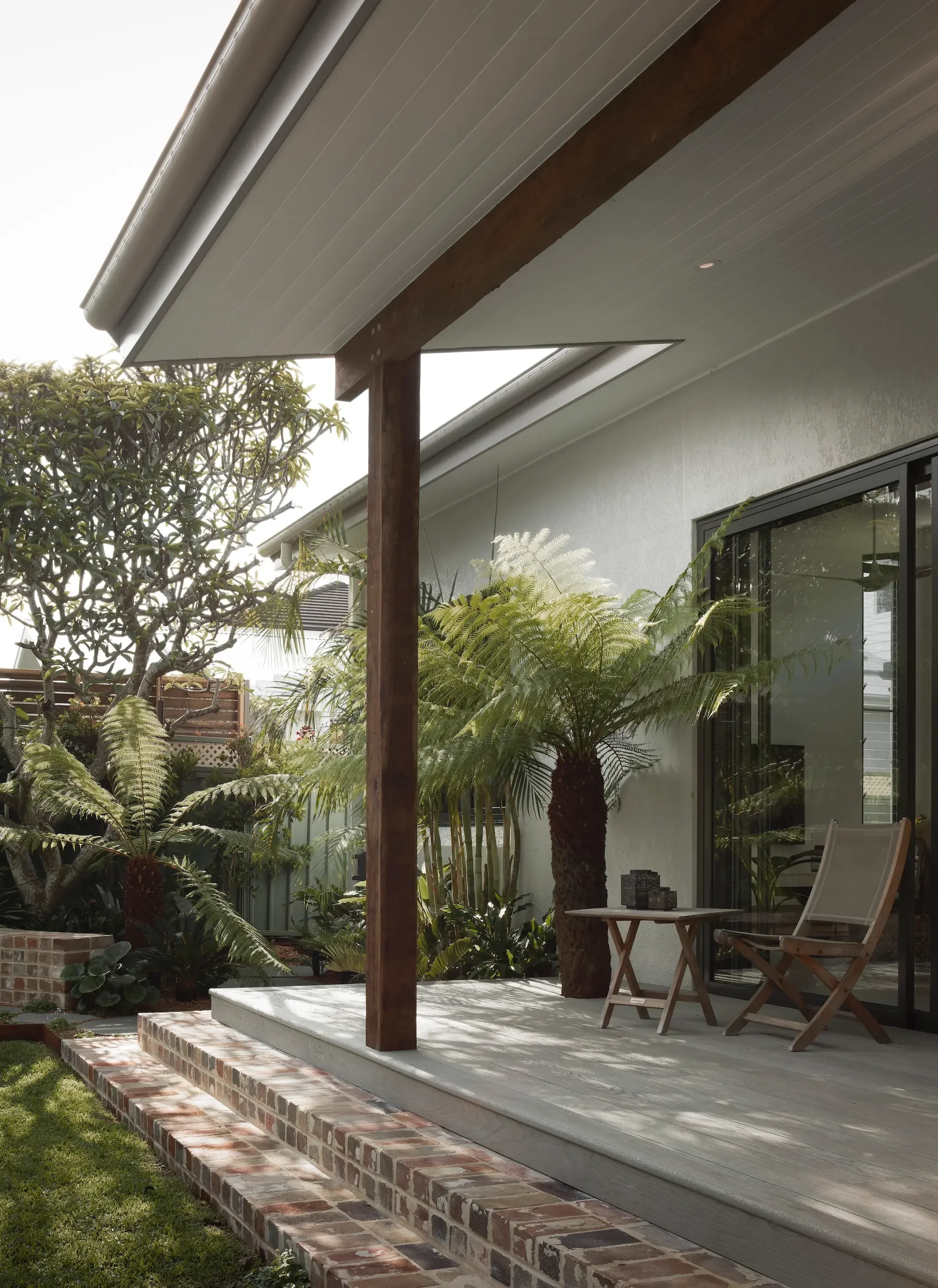
Designed as a gentle evolution of an existing home, Nelly House brings a strong sense of ease and openness to everyday family life. Living spaces extend naturally toward the garden, creating sun-filled interiors that encourage movement between inside and out, while allowing the home to stay warm in winter with minimal reliance on active heating or cooling.
Completed through a complying development pathway, the project shows how thoughtful design can create a home that feels generous, calm and deeply connected to its surroundings.
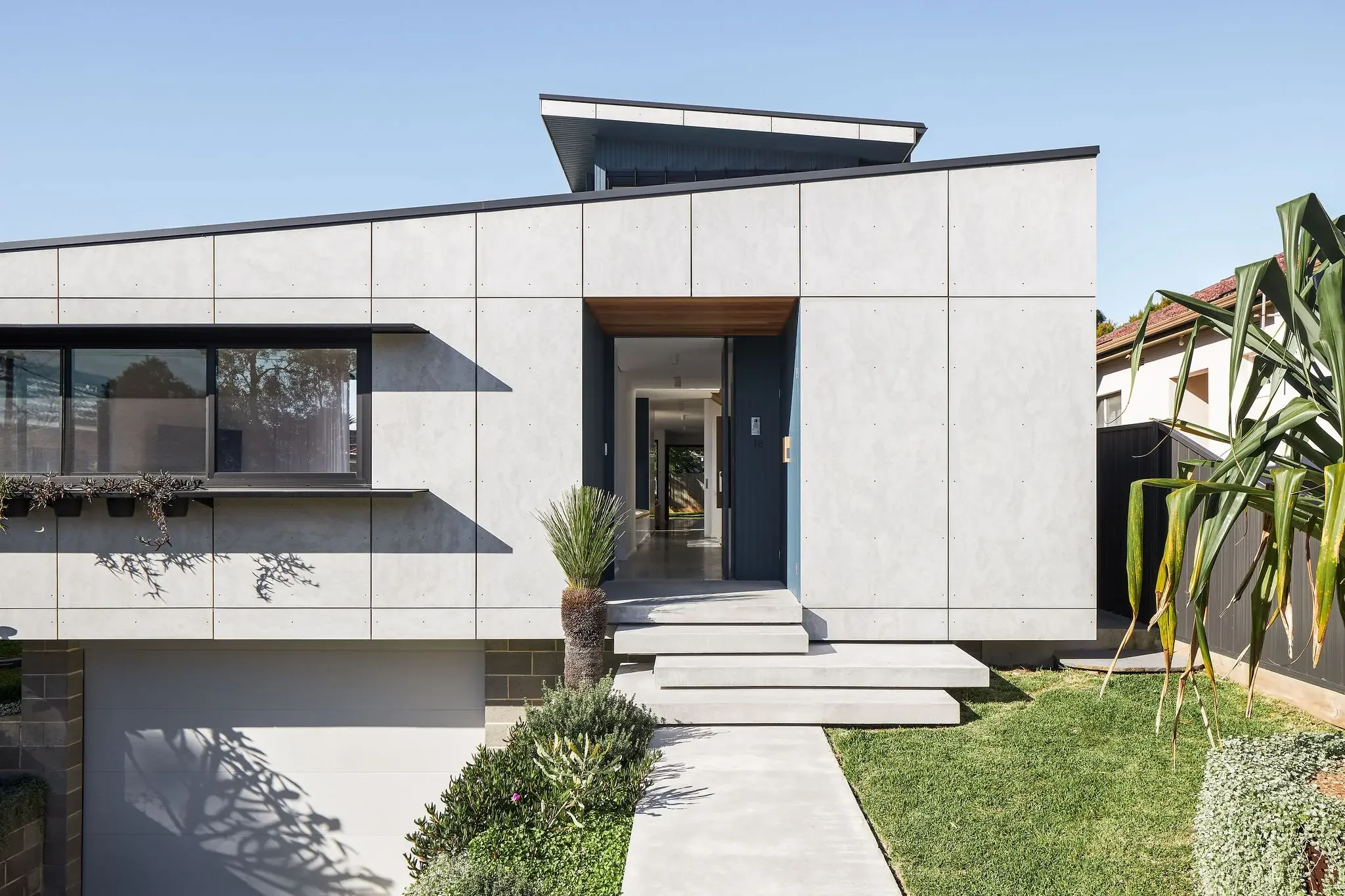
House Full of Light
A home shaped by passive design
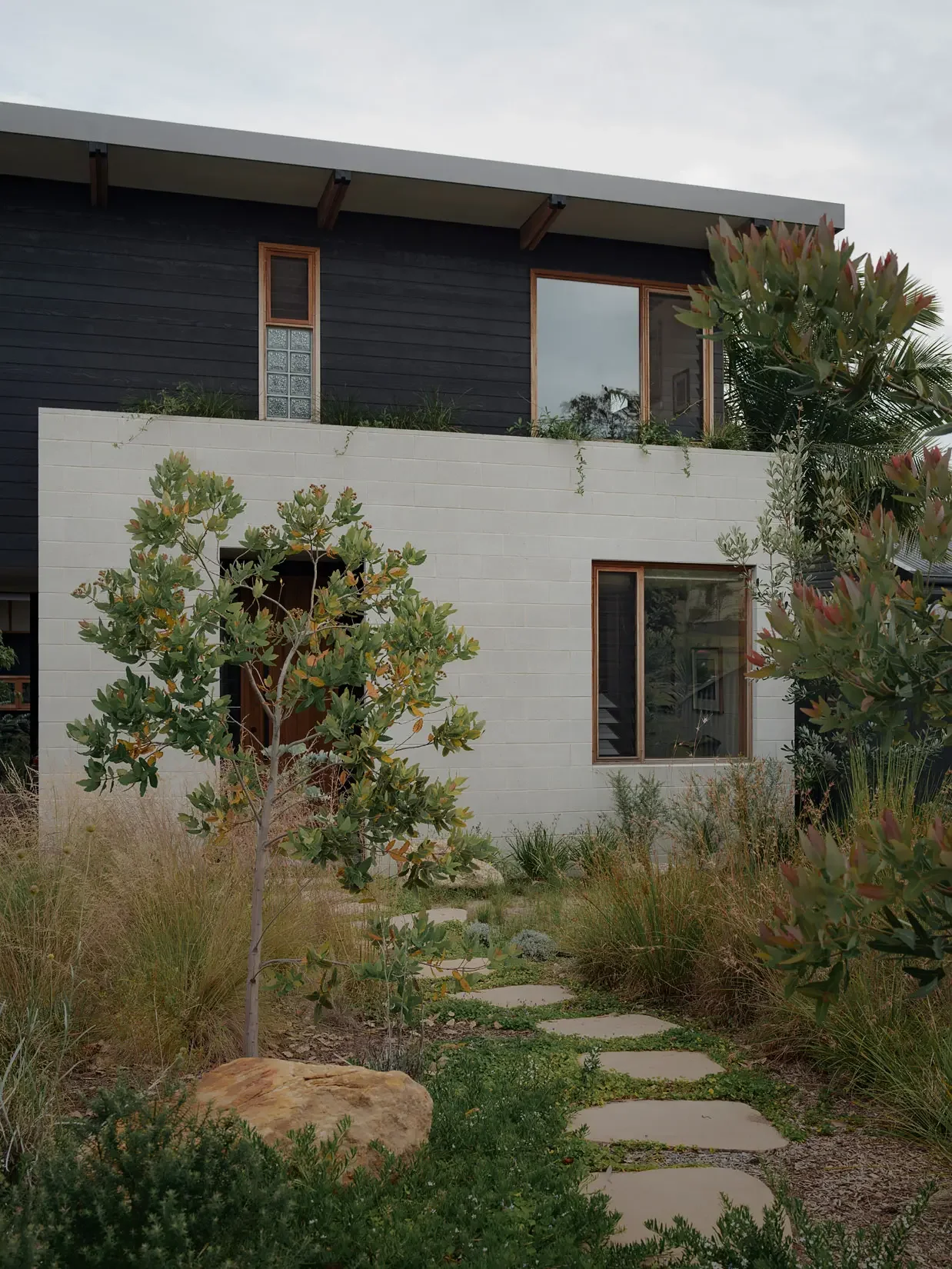
Shaped by a desire to fill the home with daylight, House Full of Light unfolds as a series of bright, uplifting spaces that feel connected yet quietly defined. Set on a long, narrow block with a challenging southern orientation, the home draws sunlight deep into the plan, creating interiors that feel warm and inviting throughout the day. Gentle transitions between spaces support a relaxed, family-focused way of living.
Designed and delivered under complying development, the home demonstrates how careful planning can result in spaces that feel effortless, comfortable and full of life.
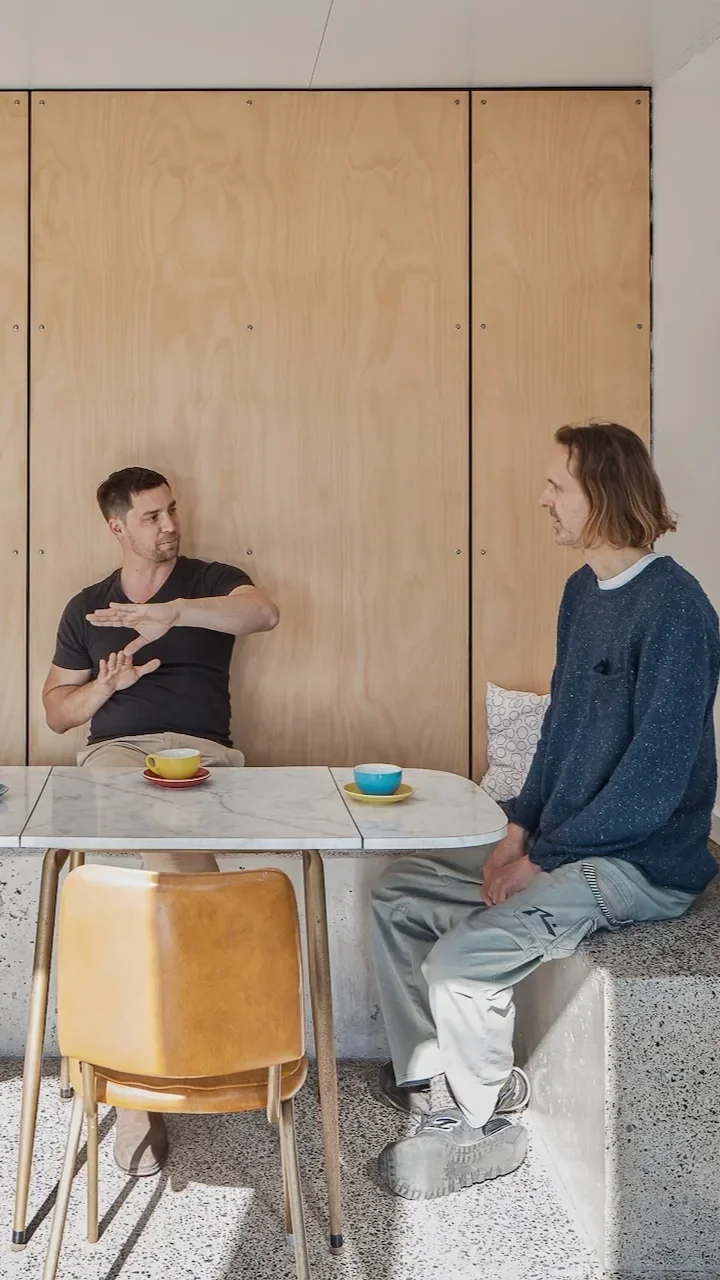
Client testimonial
“We are so glad that we had Chris on our side, he walked us though the compliance issues with BAL-FZ, worked with us to come up with a design that suited our family needs as well as kept the mid century design aspects that we desired. We couldn't be happier with the result and honestly believe the money we spent on great design saved us thousands in the build process.”
- MATT
We’ve also been featured in:

FREQUENTLY ASKED QUESTIONS
-
A DA is a local council approval process that considers a wide range of planning, design and environmental factors, and can often take months to process. On the other hand, complying development is a state government approval process that fast-tracks the approval process for straightforward, compliant projects that can lead to approval being granted in days, not months.
The other main difference is that with a DA it is a merit based assessment process, so even if your development doesn’t ‘fit in the box’ you may still be able to secure an approval, where CDC is a black-and-white assessment and you are either eligible for CDC or you’re not.
An architect who is experienced at working within the CDC framework, like our team, will be able to help you create a wonderful and functional design that doesn’t need to make compromises in order to qualify.
-
Eligibility depends on your property’s zoning, size, slope, environmental constraints and project proposal.
Generally speaking, you will need to be in an “R” zone (R2, R3, etc), any of the conservation zones (C2, C3, etc.) will not be eligible for CDC, but there are other land based requirements that may affect eligibility.
You can obtain a ‘Section 10.2 planning certificate’ from your local council which will clarify whether your property is eligible for complying development.
-
The development standards for complying development were written with consideration to the impacts upon adjoining properties so include limitations on building height and setbacks. They also include privacy screening requirements.
Because of this, there is no formal ‘neighbour notification’ like with a Development Application through the council. Your neighbours will still be advised of your proposed development, but they are not invited to submit any objections to it. A good architect will ensure that any impact upon adjoining properties are not unreasonable.
-
Yes. Many home extensions and renovations qualify for complying development, provided they meet the applicable requirements for setbacks, height limits and building envelope controls, etc. Our team can help you to design your dream home within the framework of CDC requirements.
-
Yes you can. Again, as long as it meets the requirements in the Code, then a new build will be eligible for a CDC. The rules for new homes and alterations / additions to an existing home are slightly different, but generally they follow a similar set of requirements.
-
A CDC is assessed by a private certifier, rather than local council. This certifier will assess your project against the set development standards. The certifier will still inform your local council about your proposed development, but they are not involved in the approval process.
-
Your project might be excluded from being able to do a CDC depending on its:
Zoning
Landslip risk
Heritage status
Proximity to environmentally sensitive areas
Compliance with set development standards (such as height, landscaping, floorspace, setbacks, etc.)
-
Exempt development refers to minor works that are so low-impact that they don’t need any formal approval. These can include things like small decks, fences, garden sheds or pergolas. With these types of minor works, it is a self assessment so you can simply start the building process without reaching out to council or a private certifier but you must do so in accordance with the development standards set out in the code.
Complying development, on the other hand, covers larger projects, like new homes, extensions, granny flats, and more recently dual occupancies and other “mid-rise” development types. In these cases, the projects must meet the development standards of the Code, but doesn’t have to go through the DA process with the local council. Instead, these projects just need a CDC issued by a private certifier before construction can start.
-
Not always. The CDC requirements do not ensure good design and often permits low quality design. This can sometimes give CDC a bad rap and be the cause of overdevelopment. The reality is that it is a framework and good, high quality architecture can still be achieved within that framework, but it requires experience and a good understanding of the code requirements.
YOUR FUTURE HOME, FAST-TRACKED
We'd love to chat to you about it
If you’re exploring your options for a new home or renovation and want to know if it qualifies as complying development, get in touch with our team. We’ll assess your site, clarify the process and create a design that’s both compliant and beautiful.
Tell us about it or give Chris a call on 0416 130 246